
Why Solar Energy Is the Smart Choice for a Brighter Future
Switching to solar isn’t just about saving money, it’s about taking control of your energy, reducing your carbon footprint, and investing in a cleaner tomorrow. With advanced solar technology and flexible financing, going solar has never been simpler or more rewarding.

Why Thousands Are Switching to Solar Energy?
More and more homeowners and businesses are turning to solar power , and for good reason. It’s clean, cost-effective, and gives you independence from rising energy prices. Here’s why solar energy is becoming the go-to choice for smart energy users.
Solar panels generate free electricity from sunlight, dramatically cutting down your monthly utility costs and protecting you from future price hikes.
Homes equipped with solar systems tend to sell faster and at higher prices. It’s an upgrade that pays for itself over time.
Say goodbye to unpredictable utility companies. Solar power gives you freedom and control over your own energy production.
By switching to solar, you’re reducing greenhouse gas emissions and helping create a sustainable world for the next generation.
From Sunlight to Power, in Three Simple Steps
Solar power systems are designed to work seamlessly with your home or business, turning sunlight into usable energy every day. Here’s how the process works from start to finish:
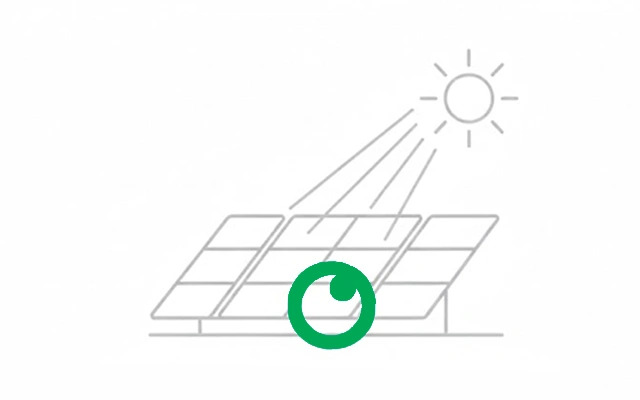
High-efficiency photovoltaic (PV) panels are installed on your roof or property in positions optimized for maximum sunlight exposure.
Each panel contains multiple silicon-based PV cells that absorb photons from sunlight. When these photons strike the cells, they knock electrons loose, creating an electric current. This process produces direct current (DC) electricity, which is the foundation of your solar energy system.
The DC electricity generated by the panels isn’t compatible with your home’s electrical system, that’s where the solar inverter comes in.
This smart device converts DC power into alternating current (AC), which is what your household appliances, lights, and devices use.
Modern inverters also perform real-time monitoring, tracking your energy production and system performance. You can check your live energy stats anytime through a mobile app or dashboard giving you full control and insight into your energy flow.
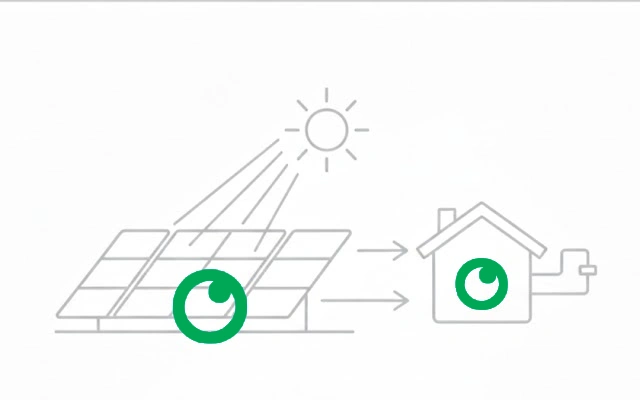
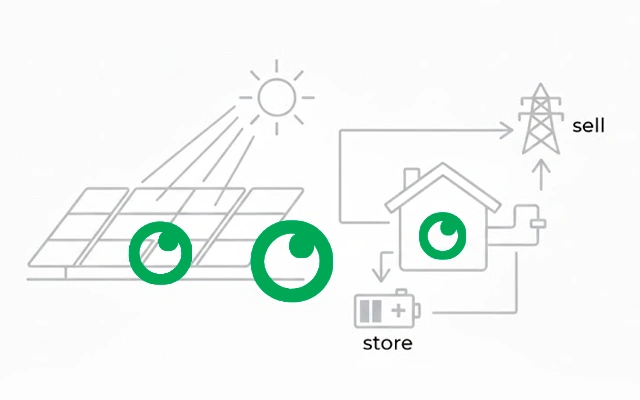
During sunny hours, your panels often generate more electricity than you immediately need. Instead of wasting it, the system channels this excess power in two possible ways:
What If Your Electricity Bill Paid You Back?
Going solar is one of the smartest financial decisions you can make. From lower monthly bills to government incentives and rebates, the return on investment grows year after year. Most systems pay for themselves within a few years, and after that, the energy you generate is practically free.
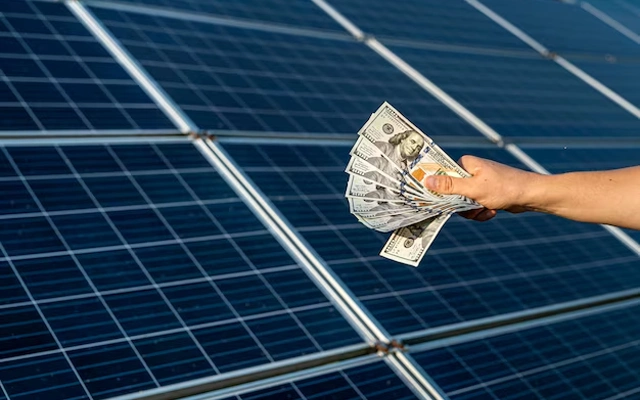
Every Kilowatt Counts. Every Panel Matters.
Solar power doesn’t just benefit your wallet, it benefits everyone. By choosing clean, renewable energy, you help reduce pollution, fight climate change, and conserve natural resources. It’s a personal choice that creates a global impact, one panel at a time.
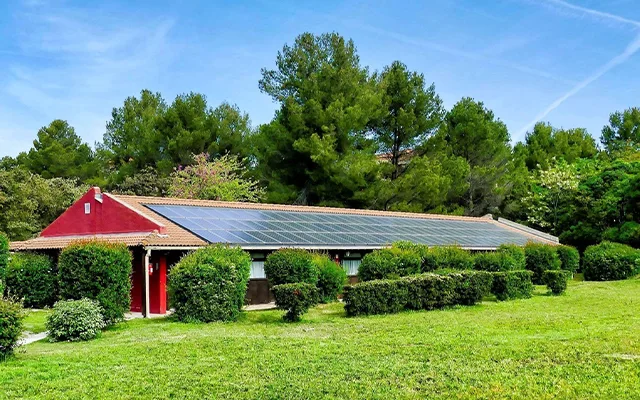
What If Your Electricity Bill Paid You Back?
Solar panels don’t work on cloudy days.
They actually generate up to 80% of their usual power, even without full sunlight.
Solar systems are too expensive.
Prices have dropped over 70% in the last decade, making solar more affordable than ever.
Solar requires high maintenance.
Just basic cleaning once or twice a year — that’s it.
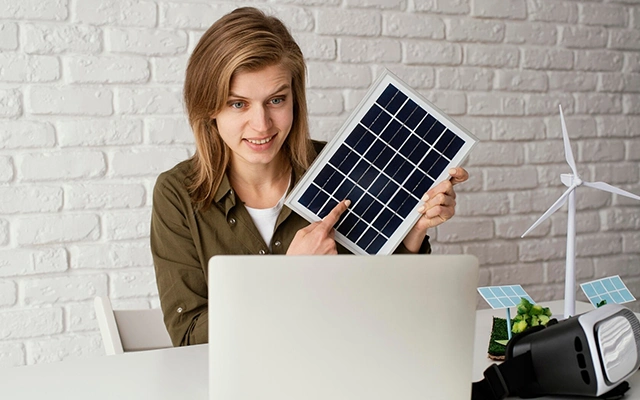
Smart Technology That Powers Every Ray
Today’s solar systems are built on cutting-edge innovations that make them more efficient, durable, and intelligent than ever. From advanced materials to real-time monitoring, every part of your system is designed to maximize performance and longevity.
Your Solar Questions, Answered
Still wondering if solar is right for you? Here are answers to the most common questions people ask before making the switch.
Modern solar panels are built to last 25 to 40 years depending on the manufacturer and materials used. While their efficiency may slowly decline by about 0.3–0.5% per year, most panels still perform above 80% of their original output after three decades.
Premium brands also come with performance warranties that guarantee a minimum energy yield for up to 25 years. With regular cleaning and professional inspections, your solar system can easily outlive its warranty period.
Solar panels continue producing energy even in low light, though their output typically drops by 10–25% on cloudy days.
Most systems are connected to the utility grid (on-grid), allowing you to draw power when production is low and feed surplus energy back during sunny periods (a process known as net metering).
If you’re off-grid or have a battery storage system, excess power from sunny hours is stored and used during cloudy or nighttime periods, ensuring you always have electricity.
Very little. Solar energy systems are designed to operate with minimal maintenance.
Here’s what’s typically required:
Yes, in most regions, solar energy is supported by a mix of government incentives, tax credits, and rebates.
For example:
In many cases, yes, especially if your system is designed to match or exceed your household’s consumption.
A properly sized system can offset 80–100% of your energy costs annually. During peak production months, you may even earn credits through net metering, reducing future bills.
However, your results depend on factors such as:
Energy consumption patterns in your home
Adding battery storage can further increase independence, letting you use solar power even during grid outages.
Typically between 5 to 9 years, depending on your local energy rates and system size.
After that, your system produces free electricity for decades, often resulting in total lifetime savings of tens of thousands of dollars.
And since solar panels require almost no ongoing expenses, the return on investment is one of the best among all home improvements.
Get in Touch
35 Fulton Way, Unit 200, Richmond Hill, ON L4B 2N4
Planning an Upgrade, Expansion or New Project?

Elmore Energy delivers solar, battery storage, EV charging and engineering solutions for homes, businesses and industrial facilities across the GTA and Ontario.
© 2026 Elmore Energy Inc. All Rights Reserved.
Do You Need Help?